
A bathroom seems like it should be a plant paradise: warm, steamy, and humid. In practice it's a stranger environment than it looks, and the plants that do well there aren't necessarily the same ones that love humidity everywhere else.
Why bathrooms are tricky
Shower steam is a burst, not a sustained condition. Humidity spikes for ten or twenty minutes, then drops back down once the room airs out, which is a very different pattern from the steady, all-day humidity a rainforest plant actually evolved around. Many bathrooms also have little or no natural light, sometimes just a small frosted window or none at all, and airflow tends to be worse than in the rest of the house, which can encourage fungal issues on a plant that's kept too wet without good ventilation.
The plants that genuinely do well here are the ones that tolerate both low light and irregular humidity bursts at once, not just one or the other.
Plants that hold up well
- Pothos: already tolerant of low light (see our low-light guide), and comfortable with the humidity swings a bathroom produces.
- Snake plant and ZZ plant: among the most forgiving options for a windowless or dim bathroom specifically, since low light is their strength.
- Spider plant: tolerates the humidity well, copes with indirect light, and is one of the few common bathroom picks that's also non-toxic to pets (see our pet-safe plants guide).
- Boston fern: genuinely loves the steam and humidity, more than most plants on this list, but it does want some natural light to actually thrive rather than just survive, so it's a better fit for a bathroom with a window than a fully dark one.
- Peace lily: tolerates lower light reasonably well and enjoys the humidity, with the bonus of white blooms; toxic to pets, so worth skipping if that's a concern in your home.
- Calathea and prayer plant: if calathea keeps crisping in the drier parts of your home, a humid bathroom can be a genuinely better spot for it than anywhere else in the house. See our post on why leaf tips turn brown for why this plant is so humidity-sensitive elsewhere.
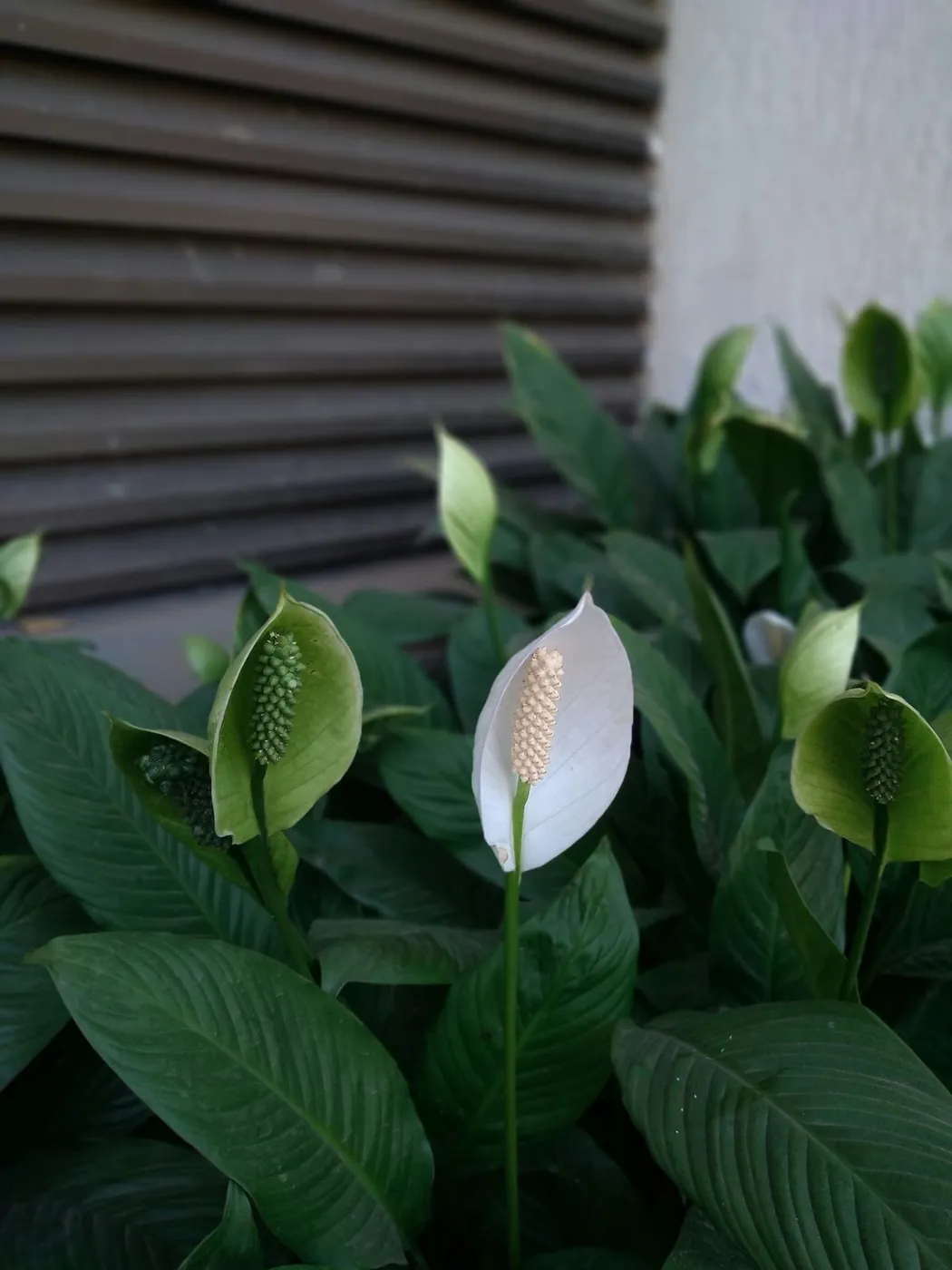
Photo by Chinmay Dhope on Unsplash
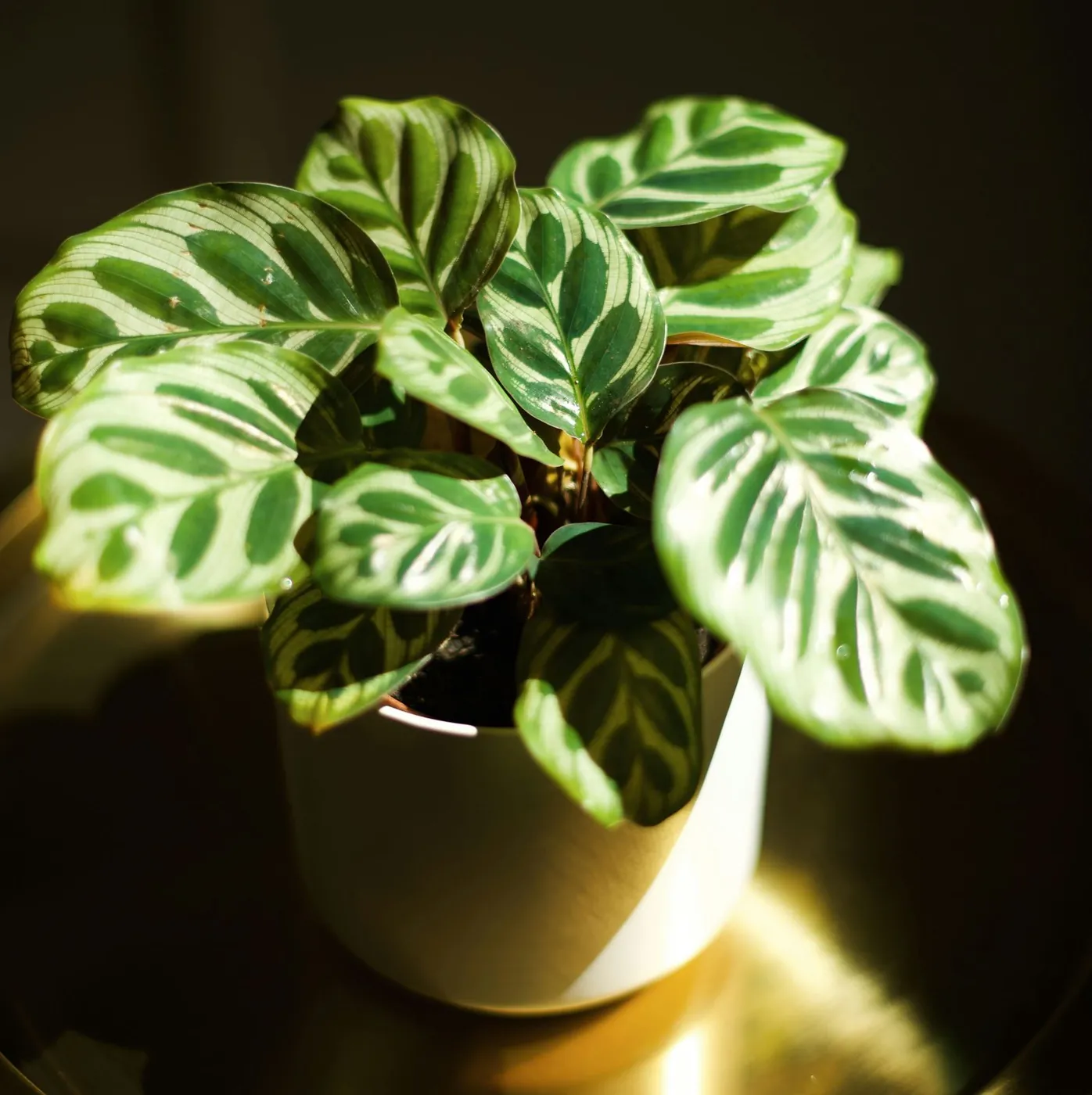
Photo by Xinyi Zhang on Unsplash
Practical setup
- Skip the sink and toilet tank as plant shelves. They're unstable, and repeated splashing keeps soil wetter than intended. A secure wall shelf or small stand works better.
- Make sure pots still have drainage, the same rule that applies everywhere else in the house. A bathroom's ambient humidity doesn't change how quickly a waterlogged pot causes root rot.
- Run the exhaust fan after showers if the bathroom doesn't have a window. Stagnant, constantly damp air without airflow is more likely to cause fungal problems on both plants and grout than a well-ventilated humid room.
- Watch soil moisture the same way you would anywhere else. A humid bathroom can make it easy to assume a plant needs less water, but humidity in the air and moisture in the soil are two different things, still check before watering rather than just trusting the steam. See our watering guide for the specifics.