
A surprising number of the houseplants that come up constantly in "easy for beginners" lists (pothos, monstera, philodendron, snake plant) are also mildly to moderately toxic to cats and dogs. That's not usually mentioned in the same breath, because most exposures are minor. But if there's a pet in the house that likes to chew on leaves, it's worth actually knowing which plants are genuinely fine and which ones are working because your pet hasn't gotten to them yet.
The reference used throughout this post is the ASPCA's Animal Poison Control database, which is the most consistently cited authority on plant toxicity to pets and is worth bookmarking directly for checking any plant not covered here.
Genuinely pet-safe options
- Spider plant (Chlorophytum comosum): non-toxic, extremely tolerant of neglect, and one of the most commonly recommended pet-safe plants for exactly that combination of reasons.
- Calathea and Prayer Plant (Maranta): non-toxic, grown for patterned foliage that folds up at night. Prefers higher humidity than most low-maintenance plants.
- Parlor palm (Chamaedorea elegans): non-toxic, tolerates lower light, and stays a manageable size for most homes.
- Boston fern (Nephrolepis exaltata): non-toxic, though it wants more consistent humidity and moisture than many houseplants, which makes it a bit less forgiving than the others on this list.
- Peperomia: non-toxic, compact, and available in a wide range of leaf textures and colors.
- Areca palm: non-toxic, and one of the larger statement plants that's actually safe, useful if you want height without the risk.
- Haworthia and echeveria (succulents): non-toxic among these two genera specifically; not all succulents are safe, so this isn't a blanket pass for the succulent aisle.
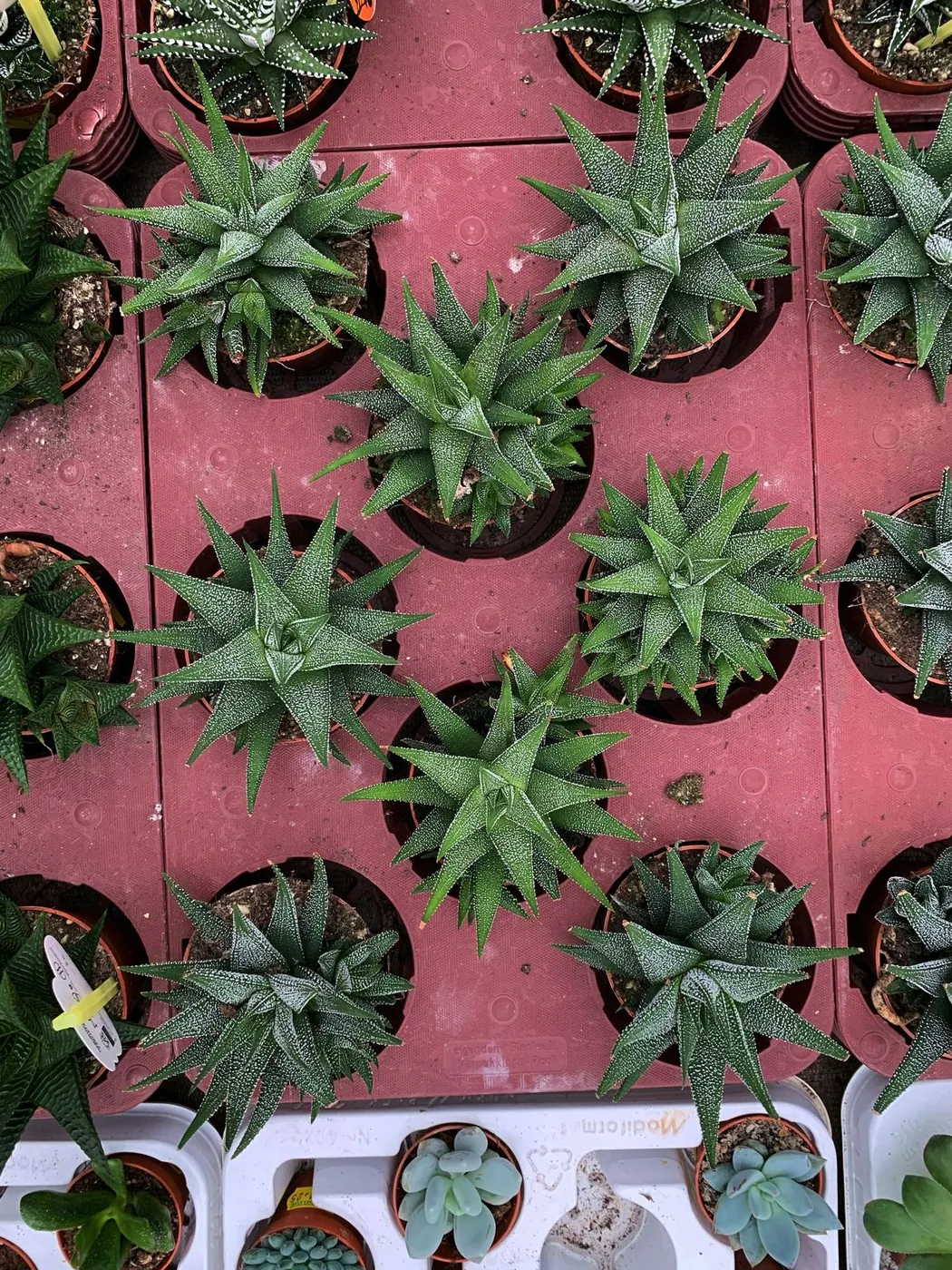
Photo by Demi Lindy on Unsplash
- Orchids (Phalaenopsis): non-toxic, and a reasonable flowering option where many popular flowering houseplants aren't.
Common houseplants that aren't pet-safe
These are popular enough that they're worth calling out by name, since "toxic to pets" isn't always the first thing associated with them:
- Pothos and philodendron: contain insoluble calcium oxalate crystals, which typically cause oral irritation, drooling, and vomiting rather than severe poisoning, but are still worth keeping out of reach.
- Monstera deliciosa: same calcium oxalate mechanism as pothos; similar symptoms.
- Peace lily: also calcium oxalate-based irritation; despite the name, it isn't a true lily and isn't in the same severe-toxicity category as true lilies (below).
- Snake plant (Sansevieria): mildly toxic, typically causing nausea or vomiting if chewed.
- Aloe vera: mildly toxic to cats and dogs, generally causing digestive upset despite its reputation as a skin-soothing plant for humans.
- Jade plant: toxic to both cats and dogs; the mechanism isn't fully understood, but vomiting, depression, and incoordination have been reported.
If a pet eats something toxic
Contact a veterinarian or an animal poison control line right away rather than waiting to see if symptoms appear. For some plants, especially true lilies for cats, early treatment matters a great deal. The ASPCA Animal Poison Control Center and the Pet Poison Helpline both operate lines for exactly this. If possible, bring a photo or a piece of the plant with you, since identifying the exact species helps determine the right response.
Practical placement, not just plant choice
Toxicity risk isn't only about which plants you own. It's also about where they sit. Hanging planters, high shelves, and rooms a pet doesn't have access to all reduce risk even for a plant that technically isn't pet-safe. For households with a pet that's a determined chewer, though, sticking to the genuinely non-toxic list removes the guesswork entirely rather than relying on placement to do all the work.