


Sep 2026

Choosing a pot that complements your space
Pot color isn't just aesthetic, it changes soil temperature. A non-sizing guide to choosing a pot that fits your space.
The WindowsillA practical plant-care journal
Sill & Soil is a research-led houseplant guide for everyday problems: choosing plants, understanding light and water, troubleshooting symptoms, and learning what to do next.
Four guides that answer the questions almost everyone hits first.
Start with a plant that matches the light you actually have.
02The single most common way beginners accidentally hurt a plant.
03Bigger isn't better, and this decision affects everything after it.
04How to know, months later, whether it's actually time.
Pot color isn't just aesthetic, it changes soil temperature. A non-sizing guide to choosing a pot that fits your space.
The Windowsill
The difference between lush and cluttered isn't the number of plants, it's whether they're layered. A simple three-tier formula.
The Windowsill
Thriving and merely surviving can look similar from across the room. What actually separates the two.
The Windowsill
Two upright plants of the same shape in one room read as repetitive, not intentional. How shape should guide what you buy next.
The Windowsill
A few real design principles for a shelf that reads as curated, not cluttered.
The Windowsill
The "NASA air-purifying plants" claim gets wildly overstated. What the science actually supports for a bedroom.
Plant Selection
"Bright indirect light" means almost nothing on its own. A simple shadow test tells you more than any label.
Care Basics
Water shows you progress. Soil produces a sturdier plant with no transition shock. Neither is universally better.
Propagation
Water or soil? One horticulturist prefers soil and rarely uses water at all. Both work, here's the step-by-step for each.
Propagation
Most homes run drier than most tropical houseplants would like. How to actually measure it, not guess.
Care Basics
Perlite and vermiculite do opposite jobs. What actually makes a potting mix good.
Care Basics
Small apartments don't need small ambitions. Vertical growers, trailing plants, and compact picks.
Plant Selection
Three genuinely forgiving houseplants for a first-time plant owner, plus what "easy" actually means.
Plant Selection
Root length alone is misleading. What actually matters is branching, root color, and a simple tug test.
Propagation
Pothos roots in 2-4 weeks. Hoya can take 10. Why the timeline varies so much, and when to actually worry.
Propagation
Cutting without a node is the single biggest reason propagation fails. The other common mistakes, and how to fix each one.
Propagation
Scale doesn't look like a bug, it looks like a weird bump on the stem. The fingernail test that tells you if it's a pest or just plant texture.
Troubleshooting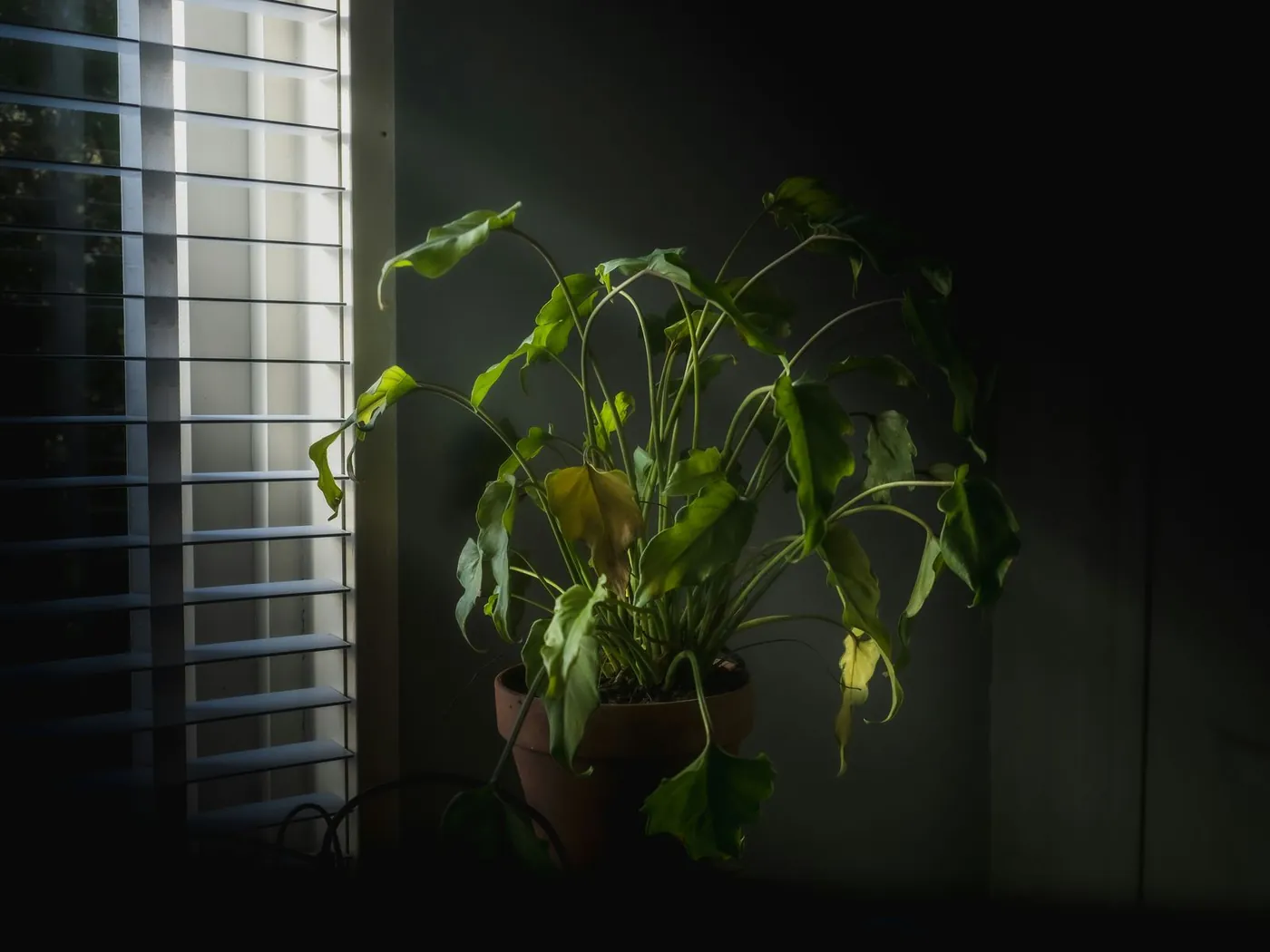
Bone-dry soil often repels water instead of absorbing it. Why bottom watering works better than a normal top watering here.
Troubleshooting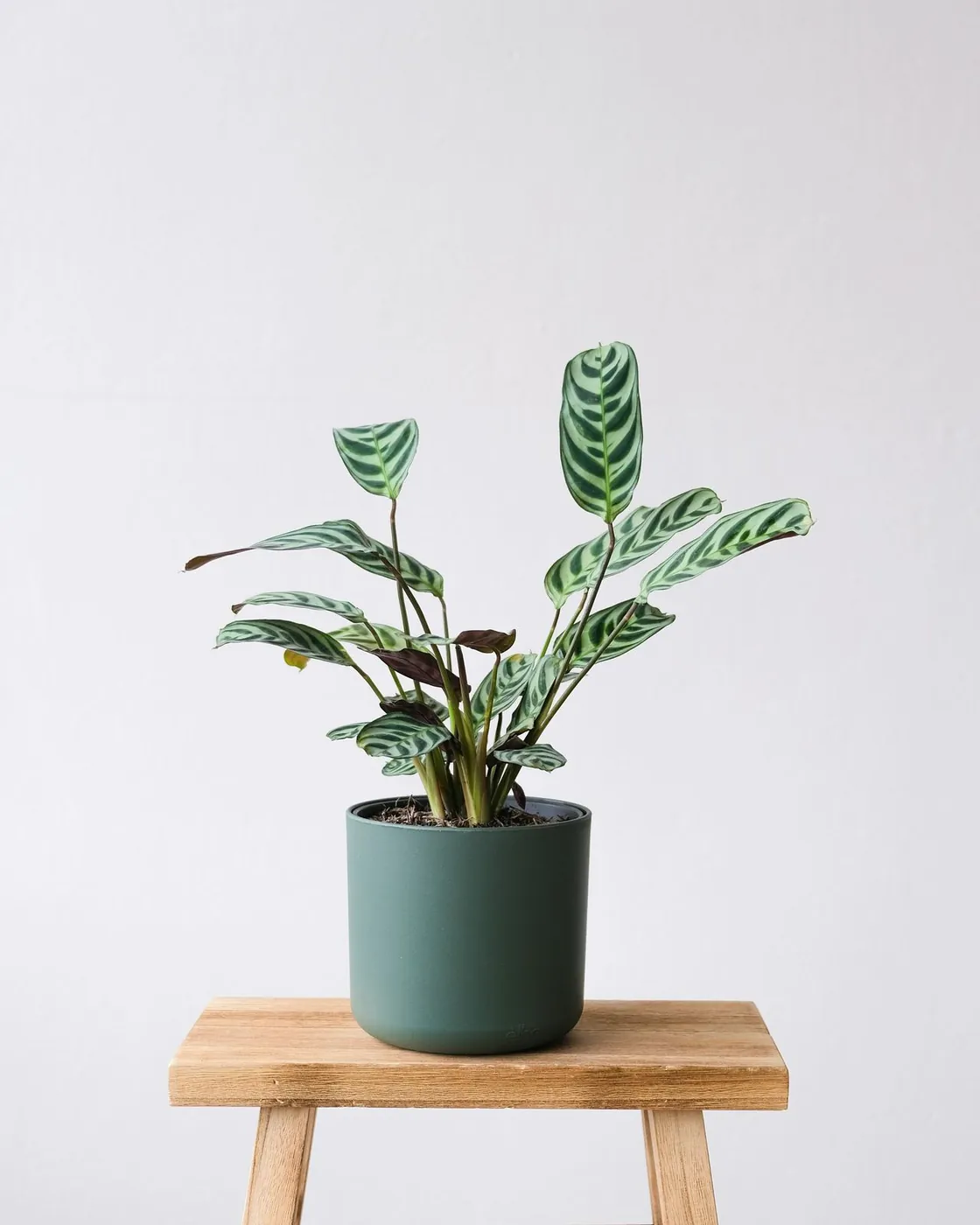
The direction a leaf curls is a real diagnostic clue: up means one thing, down means another, twisted new growth means something else entirely.
Troubleshooting
Drooping has five common causes, and two of them need opposite fixes. A 60-second soil check tells you which one you've got.
Troubleshooting
For rubber plants, dracaena, and other stems too woody to root as a simple cutting. How it works, and a full step-by-step.
Propagation
Shower steam is a burst, not sustained humidity, and that changes which plants actually thrive here.
Plant Selection
Six different problems produce nearly identical yellow leaves. Which leaves are affected, and what the soil tells you, narrows it down fast.
Troubleshooting
Window direction tells you more about what will thrive than almost anything else, and the usual rule of thumb actually flips near the equator.
Plant Selection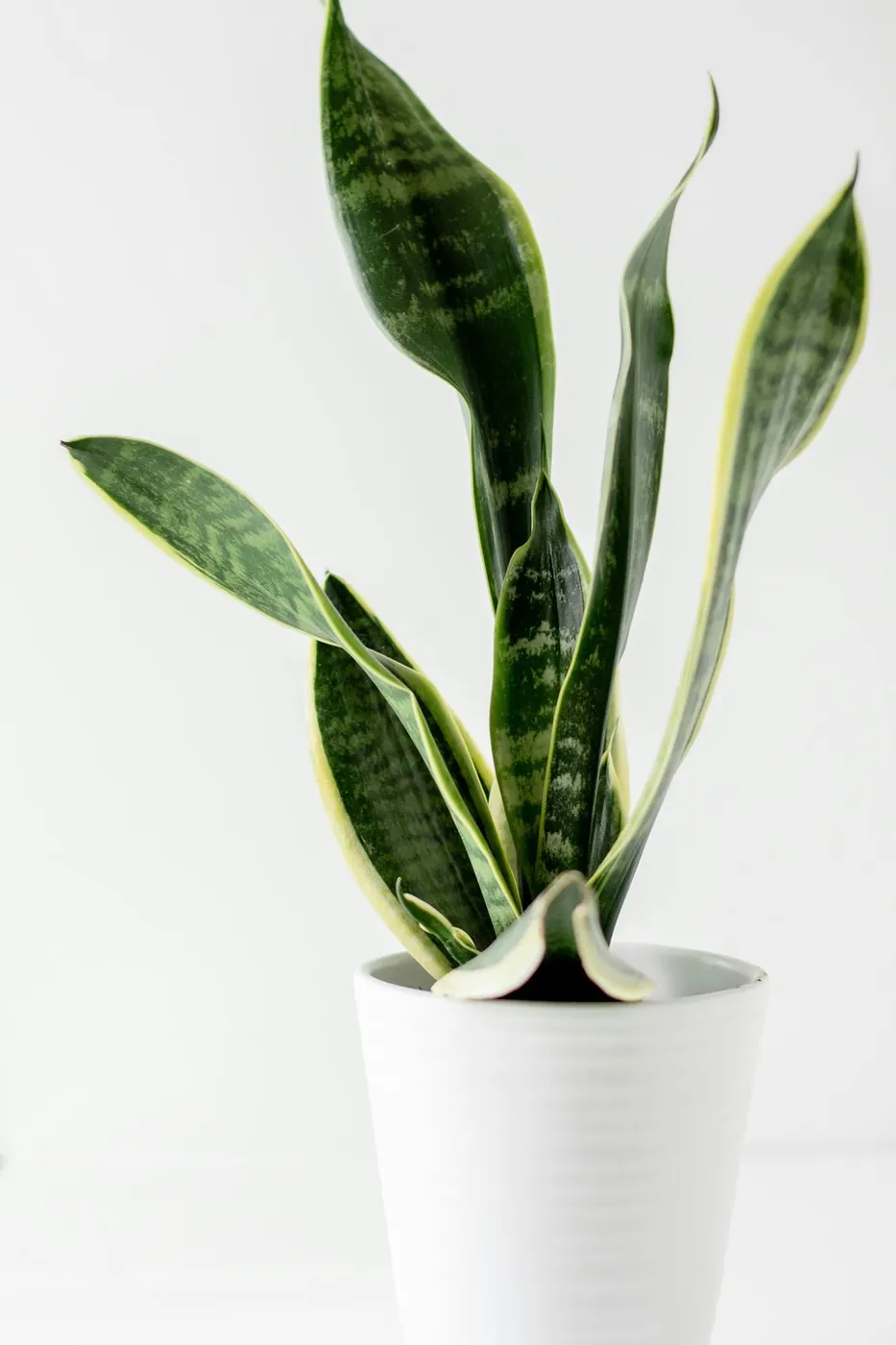
Two methods, and one detail that decides which to use: whether your plant is variegated.
Propagation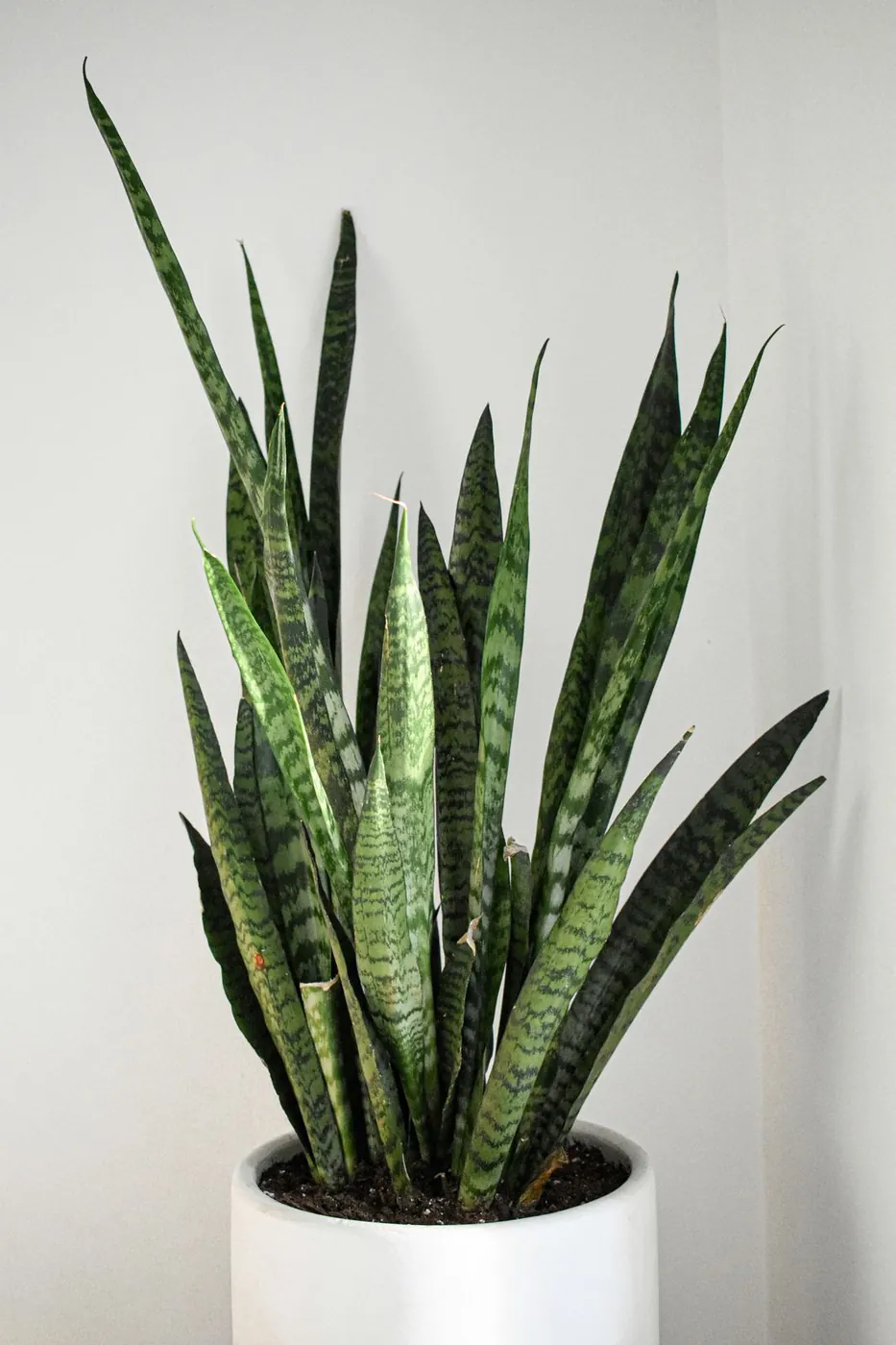
Adjustment shock explained: what's normal in the first two weeks, what isn't, and how to help a new plant settle in.
Troubleshooting
Which plants genuinely tolerate low humidity, and what to do if you want a humidity-lover anyway.
Plant Selection
A too-large pot is one of the more common ways people accidentally cause root rot. The actual sizing rule, and how material changes the equation.
Care Basics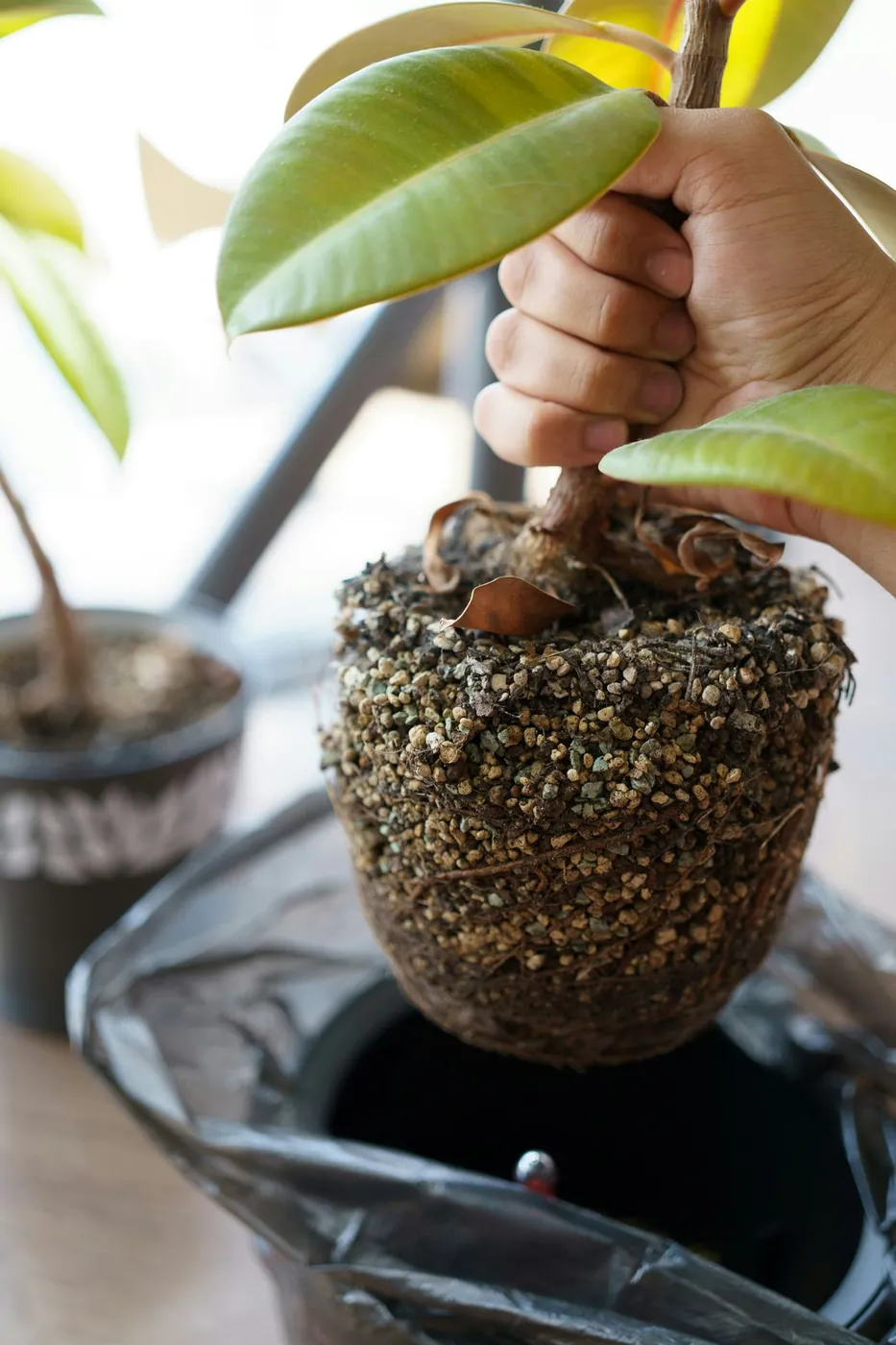
Root rot doesn't happen overnight, and the earlier catch is a much easier recovery. What each stage actually looks like.
Troubleshooting
Five real causes produce nearly identical-looking damage. A quick way to tell them apart, and what's just normal aging.
Troubleshooting
Pothos, monstera, and snake plant are all mildly toxic to pets. An ASPCA-grounded guide to what's actually safe, and what to do if a pet eats the wrong one.
Plant Selection
Repotting isn't on a schedule. It's about whether the roots have actually run out of room. How to check, and when a droopy plant needs something else entirely.
Care Basics
Cutting a vine back is what actually makes it bushier, not the other way around. Where to cut, how hard, and what to do with the trimmings.
Care Basics
Houseplant soil is a closed system. Fertilizer fills the gap, but overdoing it is one of the easier ways to hurt a plant.
Care Basics
Spider mites, fungus gnats, and mealybugs look nothing alike once you know what to check, and not every ugly leaf is actually a pest problem.
Troubleshooting
"Once a week" fails half the time, because soil doesn't dry on a calendar. Three quick ways to check what your plant actually needs.
Care Basics
Both plants root from a cutting the same way, as long as it includes a node. Where to cut, water versus soil, and the two places even good sources disagree on timing.
Propagation
The signs of overwatering look almost identical to underwatering, which is exactly why so many pothos get killed by someone trying to fix them. Here's how to actually tell the difference, and what to do once you know.
Troubleshooting
Not every room has a bright window, and not every plant needs one. A short list of houseplants that hold up in low light, and what "low light" actually means in practice.
Plant Selection