
Drooping is a symptom, not a diagnosis. Leaves and stems go limp when the plant's cells lose turgor pressure, the internal water pressure that keeps tissue firm, and several unrelated problems can cause that same loss. The tricky part: two of the most common causes need exactly opposite fixes, so guessing wrong and reacting on instinct tends to make things worse.
Start with the soil, not the leaves
Feel about an inch into the soil and lift the pot to gauge its weight. This single check splits the two biggest causes apart immediately.
Underwatering
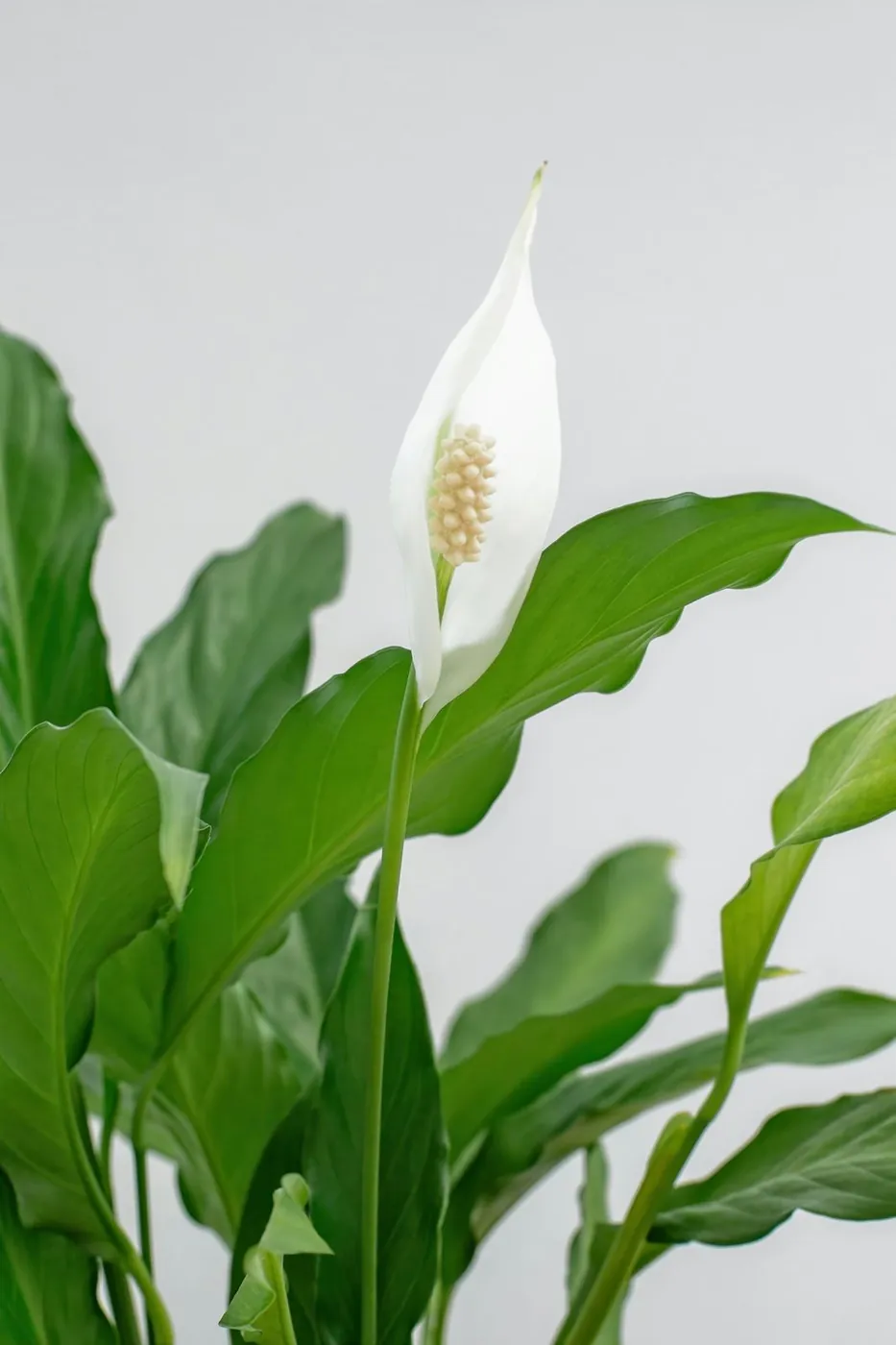
Photo by Natalie Kinnear on Unsplash
Insufficient water in the plant's cells directly reduces turgor pressure, which is why the whole plant can look suddenly limp rather than gradually stressed. Soil will be dry, often bone-dry several inches down, and the pot will feel noticeably lighter than usual. The fix is a thorough watering, ideally enough to run through the drainage holes, or a 20 to 30 minute bottom soak for a badly dried-out root ball. Most underwatered plants regain firmness within a few hours; peace lilies in particular droop dramatically and recover quickly, which makes them useful as an early-warning plant for the rest of a collection.
Overwatering and root rot
This is the counterintuitive one: a plant can wilt from thirst while sitting in soaking wet soil, because waterlogged, oxygen-starved roots stop functioning and can no longer deliver water upward even though there's plenty in the pot. Soil will be wet and heavy; if you unpot the plant, look for roots that are dark, mushy, or slimy rather than firm. See our root rot guide for the full recovery process once you've confirmed this is what's happening.
Temperature shock
A sudden drooping that shows up after a move, a cold draft, or exposure to a heating or cooling vent, with soil moisture that looks perfectly normal, points to temperature stress rather than a watering problem. Most tropical houseplants prefer a fairly narrow band, roughly 60 to 80°F (15 to 27°C), and drafts near doors, windows, or vents can push a plant outside that range even when the rest of the room feels fine. The fix is relocation, not water: move the plant away from the draft or vent and give it a few days to recover.
Repot stress or recent transplant
Drooping that follows a repotting or a recent move, again with soil moisture that seems fine, is often just the plant adjusting. See our guide on why plants drop leaves after coming home for what's normal here and what isn't, the short version is that a bit of drooping and a pause in growth for one to two weeks is typical, and steady, unchanged care usually serves the plant better than intervention.
Pests
Less common as a cause of sudden, whole-plant drooping, but worth ruling out if the soil and temperature both check out fine. Heavy infestations, especially of sap-feeding pests, can stress a plant enough to cause wilting alongside more typical symptoms like stippling or sticky residue. See our pest identification guide if you suspect this.